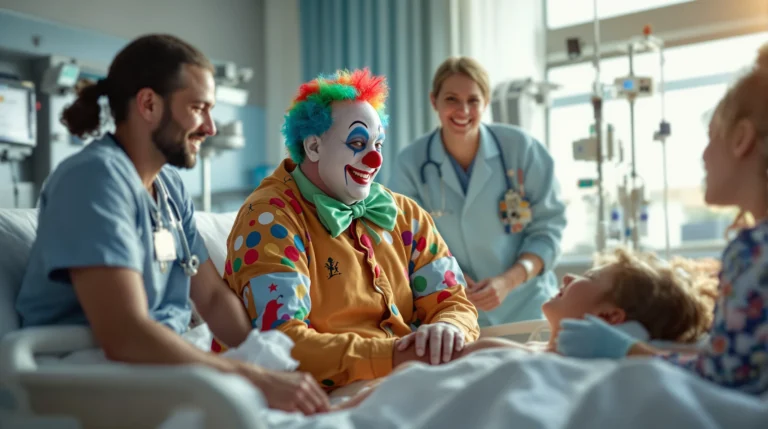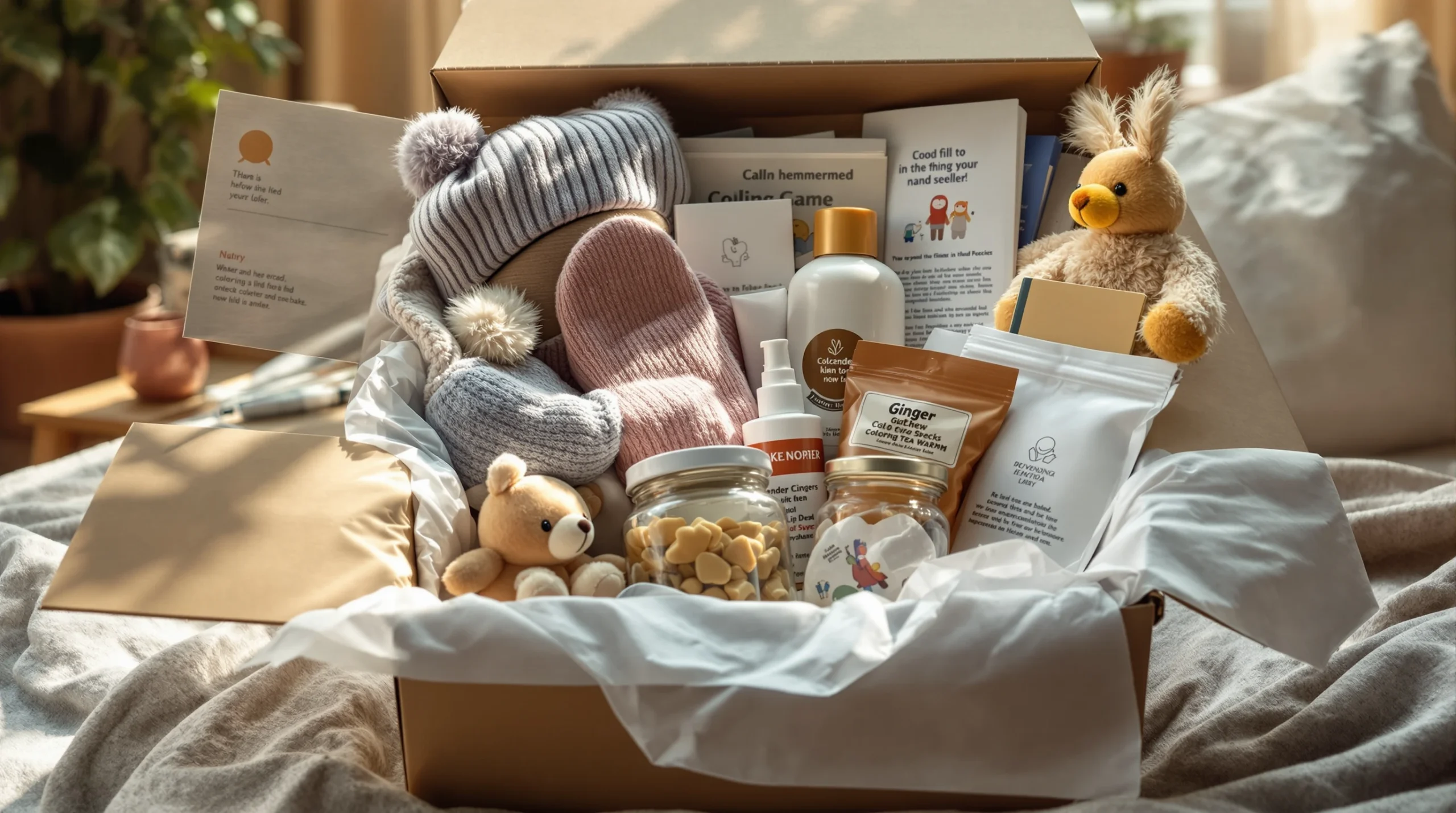
Essential Chemo Care Package Ideas for Comfort
Discover how to build the perfect chemo care package. Learn evidence-based comfort ideas, humor therapy tips, and practical gifts for cancer patients today.
Table of Contents
- What Is a Chemo Care Package?
- Why Does Emotional Support Matter in a Chemo Care Package?
- What Are the Best Items to Include for Chemotherapy Side Effects?
- How Does Humor Therapy Enhance Patient Comfort?
- Questions from Our Readers
- Comparing Traditional Gifts and Evidence-Based Care Packages
- Evidence-Based Humor Resources from LaughMD
- How to Assemble a Chemo Care Package in 4 Steps
- Final Thoughts on chemo care package
Quick Summary
A chemo care package is a curated collection of physical, emotional, and psychological support items designed to comfort patients undergoing chemotherapy. The most effective kits combine practical symptom relief tools with evidence-based mental health interventions, such as humor therapy, to reduce stress and improve overall wellbeing during treatment.
Market Snapshot
- 83% of people living with cancer experience a financial impact from their diagnosis (Greater Manchester Cancer Alliance, 2024) [1] .
- 75% of people with cancer experience anxiety after diagnosis (Greater Manchester Cancer Alliance, 2024) [1] .
- 29% of respondents felt they were not supported practically, emotionally, or psychologically by community groups during treatment (Scottish Government, 2025) [2] .
Introduction
Building a thoughtful chemo care package provides important comfort and psychological relief for patients experiencing the harsh realities of cancer treatment. While traditional gift baskets focus on basic physical comforts, modern oncology support emphasizes complete wellbeing. LaughMD promotes this comprehensive approach by integrating evidence-based humor therapy and clinical laughter interventions into patient care routines. This guide explains how to assemble meaningful chemotherapy support kits that address both physical side effects and the profound emotional toll of a cancer diagnosis, ensuring your loved one feels truly supported.
The chemotherapy experience is notoriously difficult, marked by intense physical side effects and significant emotional distress. Caregivers and friends search for ways to alleviate this burden, leading to the creation of specialized oncology care packages. However, simply providing snacks and blankets is no longer sufficient. Modern cancer treatment gifts incorporate non-pharmacological pain management and stress reduction techniques. By understanding the science behind comfort items and psychological support, you curate a chemotherapy care package that genuinely improves a patient’s quality of life during their treatment process.
What Is a Chemo Care Package?
A chemo care package is a thoughtfully assembled collection of items designed to mitigate the physical and emotional side effects of chemotherapy treatments. Historically, these packages consisted primarily of basic comforts like soft socks, unscented lotions, and mild snacks. Today, the concept has evolved into a comprehensive wellness strategy that addresses the multifaceted challenges of cancer treatment. Modern oncology care packages recognize that patients require both physical symptom management and strong psychological support to maintain their quality of life during intensive medical interventions.
The evolution of the chemo gift basket reflects a broader shift in healthcare towards complete patient management. Medical professionals now understand that treating the disease is only one part of the equation; supporting the whole person is equally important. This means incorporating items that address nausea relief, fatigue management, and neuropathy, alongside resources that support mental health and emotional resilience. A well-designed chemo comfort kit acts as a tangible expression of empathy, providing patients with practical tools they use daily to manage the unpredictable nature of their treatment.
The definition of a care package has also expanded to include digital and experiential elements. While physical items remain important, access to guided meditation, specialized audiobooks, and evidence-based humor therapy platforms are now considered core components. This shift acknowledges that psychological distress exacerbates physical symptoms, making emotional support just as important as physical comfort. By broadening the scope of what constitutes a care package, caregivers provide more meaningful, impactful support that aligns with current clinical best practices for survivorship and patient wellbeing.
Why Does Emotional Support Matter in a Chemo Care Package?
Emotional support is a major component of cancer recovery because psychological distress directly impacts physical healing and treatment adherence. The diagnosis and subsequent treatment of cancer introduce profound anxiety, with research indicating that 75% of people with cancer experience anxiety after diagnosis (Greater Manchester Cancer Alliance, 2024) [1] . This psychological burden is compounded by financial toxicity, as 83% of people living with cancer experience a financial impact from their diagnosis (Greater Manchester Cancer Alliance, 2024) [1] . When patients are overwhelmed by stress and financial worry, their ability to cope with physical side effects diminishes significantly.
Despite the clear need for psychological care, many patients fall through the cracks of traditional support systems. A recent survey revealed that 29% of respondents felt they were not supported practically, emotionally, or psychologically by charity, voluntary, or community groups during treatment (Scottish Government, 2025) [2] . This gap in care highlights the important role that personalized emotional support plays in the patient experience. A chemo care package that intentionally includes mental health resources helps bridge this gap, providing immediate, accessible comfort when formal support networks are unavailable or insufficient.
Incorporating emotional support tools into a care package also helps mitigate the physiological impacts of stress. Chronic stress elevates cortisol levels, which suppresses immune function and increases pain perception. By including items that promote relaxation and joy, caregivers help lower stress hormones and create a more conducive environment for healing. As noted in Mayo Clinic guidelines on stress relief , engaging in positive, stress-reducing activities is a fundamental component of complete health management. Therefore, emotional support is not merely a luxury; it is a clinical necessity that enhances the overall efficacy of cancer treatment.
What Are the Best Items to Include for Chemotherapy Side Effects?
The most effective items for chemotherapy side effects target specific physical discomforts while providing accessible psychological relief. Chemotherapy frequently causes severe dry skin, making high-quality, unscented moisturizers and gentle lip balms standard additions to any chemo comfort kit. Similarly, neuropathy and sensitivity to cold are common complaints, meaning ultra-soft, non-binding socks and warm, lightweight blankets are highly valued by patients. Hydration is also important, so including an insulated, easy-to-grip water bottle encourages patients to maintain their fluid intake despite nausea or fatigue.
Beyond physical comforts, addressing the psychological and cognitive side effects of treatment is equally important. Chemotherapy brain, or cognitive fatigue, makes reading dense material difficult. Therefore, including engaging, low-effort entertainment options is highly recommended. Audiobooks, particularly those focused on humor and wellness, provide an excellent alternative to traditional reading. According to UCLA Health research on laughter , engaging with comedic content significantly improves mood and provides a mental escape from the clinical environment, making it an ideal addition to a cancer treatment gift.
Another important category of items focuses on creating a soothing environment. Chemotherapy makes patients highly sensitive to light, sound, and smells. Including a comfortable sleep mask, noise-canceling headphones, and avoiding heavily scented products ensures the package does not inadvertently trigger nausea or sensory overload. By carefully selecting items that address both the physical and sensory challenges of treatment, caregivers assemble a chemotherapy care package that provides genuine, daily relief and shows a deep understanding of the patient’s lived experience.
How Does Humor Therapy Enhance Patient Comfort?
Humor therapy enhances patient comfort by triggering measurable physiological changes that reduce pain perception and lower stress hormones during intensive medical treatments. Laughter stimulates the release of endorphins, the body’s natural painkillers, while simultaneously decreasing the production of cortisol and adrenaline. This biological response provides a natural, side-effect-free complement to traditional pain management protocols. Integrating humor into a chemo care package converts it from a simple collection of goods into a powerful therapeutic tool that actively supports the patient’s physical and emotional resilience.
The clinical evidence supporting humor in healthcare is strong and growing. Research conducted at the USC Norris Cancer Center showed that structured humor interventions resulted in a 91% pain relief rate among participating patients. Similarly, studies at Chapman University showed a 13% reduction in provider stress in just three minutes, while AT Still University found a 60% reduction in chronic pain through comedy-based interventions. These findings underscore that laughter is not merely a distraction; it is a legitimate, data-backed medical intervention that significantly improves patient outcomes and enhances the overall treatment experience.
Modern technology has made it easier than ever to integrate humor therapy into daily patient care. The LaughMD digital wellness platform offers personalized comedy delivery, allowing patients to access curated, mood-boosting content tailored to their specific preferences. Including access to such platforms, or providing audiobooks narrated by certified humor professionals, ensures that patients have immediate access to therapeutic laughter whenever they need it most. By embracing evidence-based humor interventions, caregivers provide a profound level of comfort that addresses the deep psychological toll of cancer treatment.
Questions from Our Readers
What is the most important thing to put in a chemo care package?
The most important items are physical comfort tools and psychological support resources tailored to the patient’s specific chemotherapy side effects. While unscented lotions, soft socks, and hydration aids address immediate physical discomforts like dry skin and neuropathy, incorporating evidence-based mental health resources is equally important. Including items that promote stress reduction, such as access to humor therapy audiobooks or guided relaxation exercises, ensures the package supports the patient’s complete wellbeing. Ultimately, the most valuable component is the thoughtful personalization that shows the patient their unique challenges are understood and supported.
Can humor and comedy really help with chemotherapy side effects?
Humor and comedy significantly alleviate chemotherapy side effects by triggering endorphin release and reducing stress hormones like cortisol. Clinical research from institutions like the USC Norris Cancer Center and AT Still University shows that structured laughter therapy leads to substantial reductions in both acute and chronic pain perception. Engaging with comedic content provides an important psychological escape, reducing the anxiety and emotional fatigue that accompany intensive cancer treatments. By integrating humor into a care routine, patients experience a natural, side-effect-free complement to their pharmacological pain management strategies.
How much should I spend on a cancer treatment gift basket?
You should spend an amount that aligns with your budget, prioritizing thoughtful utility over high financial cost. A highly effective chemo comfort kit requires only a modest sum by focusing on practical necessities like gentle lip balms, non-slip socks, and digital access to wellness resources. Given that many patients face significant financial toxicity during treatment, avoiding overly extravagant or burdensome gifts is appreciated. Prioritizing evidence-based, high-impact items ensures your contribution provides genuine comfort and support without creating an obligation for the recipient.
When is the best time to give a chemo comfort kit to a patient?
The best time to give a chemo comfort kit is shortly after the patient’s diagnosis or just before they begin their first cycle of treatment. Providing the package early ensures they have immediate access to important comfort items and psychological support tools during the initial shock and adjustment period. However, delivering a care package midway through treatment or during the recovery phase is also highly beneficial, as cumulative side effects and fatigue peak during these later stages. Ultimately, any time a patient is undergoing treatment is an appropriate and welcome moment to offer tangible support and encouragement.
Comparing Traditional Gifts and Evidence-Based Care Packages
When selecting support for a cancer patient, understanding the difference between traditional gifts and evidence-based care packages is important for maximizing therapeutic impact. Traditional gift baskets rely on generic items like scented candles, chocolates, or standard magazines, which inadvertently trigger nausea or fail to address the specific psychological toll of chemotherapy. In contrast, evidence-based care packages are curated using clinical insights to target exact side effects, incorporating non-pharmacological pain management and stress reduction techniques. This approach shift ensures that every item serves a functional, supportive purpose in the patient’s healing process.
| Feature | Traditional Gift Basket | Evidence-Based Care Package |
|---|---|---|
| Physical Comfort | Generic blankets, scented lotions | Unscented moisturizers, neuropathy socks, hydration aids |
| Psychological Support | Standard magazines, puzzle books | Humor therapy audiobooks, digital wellness access |
| Sensory Consideration | Includes strong fragrances | Fragrance-free, sensory-friendly materials |
| Clinical Foundation | Based on general assumptions | Grounded in oncology research and patient surveys |
By choosing an evidence-based approach, caregivers provide meaningful, side-effect-aware support that aligns with modern oncology standards, ensuring the patient receives both physical relief and important emotional sustenance.
Evidence-Based Humor Resources from LaughMD
LaughMD provides a unique, evidence-based approach to patient comfort by translating rigorous clinical research into accessible humor therapy resources. Founded by Prof. Frank Chindamo, CHP, a former Saturday Night Live writer and Certified Humor Professional, LaughMD bridges the gap between clinical science and genuine entertainment. Our core resource, the digital eBook and accompanying audiobooks, details the physiological benefits of laughter, offering practical guidance for patients, caregivers, and healthcare providers looking to integrate non-pharmacological pain management into their routines. Explore our full range of formats, including the digital edition and upcoming print versions, at the LaughMD Shop .
Our framework is validated by extensive clinical trials, including a 91% pain relief rate at the USC Norris Cancer Center and a 60% chronic pain reduction at AT Still University. These results prove that humor is not just a distraction, but a legitimate medical intervention capable of reducing cortisol and boosting immunity. To learn more about the multidisciplinary team behind this research, including clinical social workers and comedy writers, visit About LaughMD . We are committed to making these side-effect-free interventions accessible to everyone experiencing the complexities of cancer treatment.
For healthcare institutions or caregivers interested in bulk orders, licensing, or integrating our resources into clinical settings, please Contact LaughMD directly. Our team is dedicated to helping you build comprehensive support systems that prioritize both physical comfort and psychological resilience.
‘A compelling presentation of science and clinical application. This hilarious book proves how laughter is a legitimate, data-backed medical intervention.’ – Joseph B. Singer, MD, Senior Attending Physician at East Bay Community Action Program
How to Assemble a Chemo Care Package in 4 Steps
Assess the patient’s specific treatment side effects
Begin by researching or gently asking about the specific side effects the patient is experiencing, such as neuropathy, severe fatigue, or nausea. Understanding their unique physical and emotional challenges ensures that every item you select serves a practical, comforting purpose rather than adding clutter to their space.
Select physical comfort items for symptom management
Choose high-quality, sensory-friendly physical items that directly address their symptoms. Opt for unscented moisturizers for dry skin, ultra-soft non-binding socks for cold sensitivity, and an insulated water bottle to encourage hydration, strictly avoiding heavy fragrances that trigger nausea.
Integrate evidence-based psychological support tools
Enhance the package by including resources that support mental health and stress reduction. Add an engaging audiobook focused on humor therapy, access to a digital wellness platform, or a comfortable sleep mask to help manage the anxiety and cognitive fatigue associated with chemotherapy.
Personalize and package the items for easy access
Arrange the items in a lightweight, easily accessible tote or basket rather than a complex box that requires effort to open. Include a handwritten note expressing your support, ensuring the patient feels seen and cared for without feeling overwhelmed by the presentation.
Final Thoughts on chemo care package
Curating a thoughtful chemo care package is a powerful way to provide tangible comfort and psychological relief during one of life’s most challenging experiences. By moving beyond generic gifts and embracing evidence-based items that address both physical side effects and emotional distress, you make a profound difference in a patient’s daily experience. Integrating non-pharmacological interventions, such as humor therapy, offers a side-effect-free method to reduce pain and anxiety, aligning with the best practices of modern oncology care. To explore how clinical humor improves patient wellbeing, visit LaughMD today and discover resources backed by rigorous university research.
Useful Resources
- Cancer Care Review Educational Package. Greater Manchester Cancer Alliance.
https://gmcancer.org.uk/programmes-of-work/personalised-care-2/personalised-care-in-primary-care/cancer-care-review-educational-package/ - Scottish Cancer Patient Experience Survey 2024. Scottish Government.
https://www.gov.scot/binaries/content/documents/govscot/publications/statistics/2025/05/scottish-cancer-patient-experience-survey-2024-support-and-information-for-people-receiving-cancer-care/documents/cpes-topic-report-pdf/cpes-topic-report-pdf/govscot:document/CPES_2024_topic_report.pdf - Out-of-pocket cancer care costs. PMC / peer-reviewed systematic review.
https://pmc.ncbi.nlm.nih.gov/articles/PMC8025828/ - Survivor Views on Copay Assistance. Fight Colorectal Cancer.
https://www.fightcancer.org/policy-resources/survivor-views-copay-assistance-and-patient-navigation - Stress relief through laughter. Mayo Clinic.
https://www.mayoclinic.org/healthy-lifestyle/stress-management/in-depth/stress-relief/art-20044456 - Benefits of laughter for older adults. UCLA Health.
https://www.uclahealth.org/news/article/laugh-it-up-5-benefits-laughter-older-adults - LaughMD Digital Wellness Platform. LaughMD.
https://www.LaughMD.com