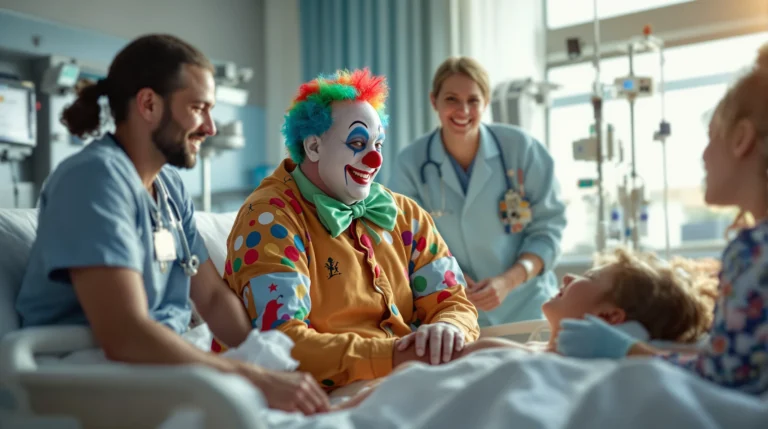
Top books about comedians and clinical humor science
Discover the best books about comedians that explore the science of humor. Learn how clinical laughter therapy and comedy memoirs improve health outcomes.
Table of Contents
- The Psychology Behind Books About Comedians
- How Comedic Insights Translate to Health Benefits
- Can Reading About Comedy Improve Mental Health?
- Why Healthcare Providers Need Evidence-Based Humor Books
- What People Are Asking
- Comparing Humor Book Genres
- Explore the LaughMD Framework
- Practical Tips for Using Comedy in Wellness
- Key Takeaways
Quick Summary
Books about comedians are literary works exploring the lives, minds, and creative processes of comedic performers and writers. Beyond entertainment, these texts reveal the psychological mechanisms of humor, which modern clinical research now uses for evidence-based pain management and stress reduction.
Quick Stats: Books about comedians
- Across 45 randomized controlled trials including 2,547 participants, laughter-inducing interventions showed significant positive effects on mental, physiological, and physical health outcomes (International Journal of Behavioral Medicine, 2022) [1] .
- Laughter-inducing interventions produced a large positive effect on mental health outcomes, achieving a 0.74 Hedges g effect size (International Journal of Behavioral Medicine, 2022) [1] .
- Physical health outcomes, including pain and fatigue, improved with a 0.59 Hedges g effect size following laughter-based interventions (International Journal of Behavioral Medicine, 2022) [1] .
Introduction
When readers search for books about comedians, they expect hilarious anecdotes, behind-the-scenes stories from writers’ rooms, and tales of life on the road. However, the minds that craft punchlines also possess a deep, intuitive understanding of human psychology and resilience. The intersection of comedy and science reveals that the mechanics of a good joke do more than entertain; they trigger measurable physiological changes. At LaughMD, we explore this exact intersection, translating the comedic expertise of former Saturday Night Live writer Prof. Frank Chindamo into evidence-based clinical interventions.
While traditional comedian biographies focus on fame and performance, a new wave of literature bridges the gap between stand-up comedy and healthcare humor. These resources show how non-pharmacological therapy and laughter interventions drastically alter patient outcomes. Understanding the cognitive neuroscience behind comedic timing and humor research allows both patients and clinicians to use endorphin release and cortisol reduction. This article explores how the insights found in comedy autobiographies and books about comedy writers are evolving into legitimate medical tools for pain management and psychological well-being.
The Psychology Behind Books About Comedians
Books about comedians and memoirs by comedians offer profound insights into the cognitive mechanisms that allow humor to buffer against psychological distress. Professional funny people spend their lives observing human behavior, identifying incongruities, and framing them in ways that elicit laughter. The comedian’s unique perspective is not just an artistic endeavor; it is a deeply psychological one. When readers engage with comedy autobiographies, they are essentially studying applied cognitive behavioral strategies disguised as entertainment.
The cognitive neuroscience of humor reveals that processing a joke requires complex mental gymnastics, including pattern recognition, expectation subversion, and emotional regulation. According to researcher Andrea C. Samson, “Experiencing humor results in physiological changes in the body, which involves hormones and immune system function” (Samson, 2018) [2] . These physiological changes mean that the punchlines crafted by the subjects of books about comedy writers are actually catalysts for systemic biological shifts. The laughter triggered by a well-timed joke initiates a cascade of neurochemical events that promote physical and mental resilience.
Also, the personal histories detailed in books on comedians highlight how these performers use their craft as a coping mechanism for trauma, anxiety, and depression. By externalizing their internal struggles through stand-up comedy, they model a form of self-enhancing humor that psychologists recognize as highly adaptive. Professor Peter Derks notes that “a good sense of humor buffers people against the slings and arrows of stress, keeping them from bumming out or burning out” (Derks, 2010) [3] . Therefore, reading about the lives of comedic performers provides more than just a glimpse into the entertainment industry; it offers a masterclass in psychological survival and emotional regulation.
How Comedic Insights Translate to Health Benefits
The clinical applications derived from the study of humor show that laughter-inducing interventions yield significant, measurable improvements in both physiological parameters and physical health outcomes. While traditional medical literature focuses on pharmacological solutions, the principles found in clinical humor and medical comedy offer a compelling, side-effect-free alternative. The transition from reading books about comedians for entertainment to applying their underlying mechanics in clinical settings represents a major leap in integrative medicine.
Recent comprehensive analyses validate what many comedic performers have intuitively known for decades: laughter heals. A sweeping 2022 meta-analysis published in the International Journal of Behavioral Medicine evaluated 45 randomized controlled trials involving 2,547 participants, confirming that laughter-inducing interventions produce significant positive effects across multiple health domains (Derks, 2022) [1] . Specifically, these interventions achieved a 0.59 Hedges g effect size for physical health outcomes, directly impacting pain and fatigue levels (Derks, 2022) [1] . The statistical evidence proves that the endorphin release associated with comedy is a potent tool for non-pharmacological pain management. The Mayo Clinic’s guide to stress relief through laughter also highlights how positive thoughts and comedic engagement release neuropeptides that help fight stress and more serious illnesses.
Beyond pain relief, the physiological parameters influenced by humor are vast. The same 2022 meta-analysis reported a 0.61 Hedges g effect size for physiological outcomes, including improvements in blood pressure and the regulation of stress hormones (Derks, 2022) [1] . When healthcare providers integrate the concepts popularized by humor professionals into patient care, they are using a natural mechanism that lowers cortisol and boosts immune function. Resources that bridge the gap between comedy and science are becoming important reading for modern clinicians seeking comprehensive wellness strategies.
Can Reading About Comedy Improve Mental Health?
Engaging with literature focused on comedy and humor actively supports mental health outcomes by providing readers with cognitive frameworks to reframe distress and build emotional resilience. The act of reading about how comedians deconstruct tragedy into comedy teaches the brain to adopt a similar analytical, yet lighthearted, perspective on personal hardships. This cognitive shift to a lighthearted perspective is a cornerstone of psychological well-being and is increasingly supported by empirical data.
The psychological benefits of humor are strong and well-documented in clinical literature. Professor Thomas E. Ford summarizes this broad impact, stating that “humor seems to have the potential to effectuate pain relief, strengthen immune function, improve positive emotions, moderate stress, dissociate from distress and improve interpersonal processes” (Ford, 2011) [4] . When individuals read books about comedians, they are absorbing these interpersonal and emotional strategies vicariously. The narrative structures of comedy memoirs mirror the therapeutic process of exposure and cognitive reframing, allowing readers to safely process difficult emotions through the lens of another person’s comedic path.
Clinical trials further substantiate the mental health benefits of structured humor. The 2022 meta-analysis of laughter-inducing interventions revealed a substantial 0.74 Hedges g effect size for mental health outcomes in patients dealing with somatic or psychological challenges (Derks, 2022) [1] . Also, a 2019 meta-analytic study highlighted that affiliative and self-enhancing humor styles-the very styles cultivated by successful comedic writers-are positively correlated with higher self-esteem, life satisfaction, and lower depression rates (Scandinavian Journal of Psychology, 2019) [5] . By studying the minds of comedians, readers and patients alike cultivate these protective humor styles, changing passive reading into an active mental health intervention.
Why Healthcare Providers Need Evidence-Based Humor Books
Healthcare providers require evidence-based humor books to safely and effectively integrate non-pharmacological laughter therapy into clinical workflows without relying on anecdotal assumptions. While general books about comedians offer entertaining insights into the comedic mind, clinical environments demand rigorous, peer-reviewed validation before adopting new patient care protocols. The transition from intuitive comedy to clinical humor interventions requires a structured framework backed by academic research.
Specialized health publishing intersects with comedic expertise to fill this gap in medical literature. Prof. Frank Chindamo, a former Saturday Night Live writer turned Certified Humor Professional, recognized the need for a resource that translates the art of comedy into a legitimate medical intervention. His work synthesizes over 400 studies on the health benefits of laughter, providing clinicians with a data-backed methodology for deploying humor in high-stress environments like oncology wards and palliative care units. Unlike standard comedian biographies, this specialized literature includes APA citations, clinical protocols, and measurable outcome metrics.
The demand for such resources is driven by the urgent need to address provider burnout and patient anxiety in modern medical settings. A comprehensive 2021 review in Frontiers in Psychiatry noted that humor-based programs have been successfully applied across diverse groups, including healthy individuals, geriatric patients, and those with mental disorders, showing a broad range of clinical utility (Frontiers in Psychiatry, 2021) [6] . The broad clinical utility of humor-based programs is further supported by UCLA Health’s research on laughter benefits for diverse populations. Also, empirical studies spanning 30 years confirm that structured humor positively impacts pain relief, immune function, and social support networks (Psychiatry Research, 2011) [4] . For hospital administrators and care teams, evidence-based texts serve as the critical bridge between the entertaining world of stand-up comedy and the rigorous demands of modern, comprehensive patient care.
What People Are Asking
What are the best books about comedians that focus on health?
The best health-focused books about comedians combine entertaining memoirs with clinical science to show how comedic mechanics trigger physiological healing. Prof. Frank Chindamo’s “If Laughter is the Best Medicine, Let’s Use It as Medicine” is a premier example, written by a former SNL writer who translates comedy into evidence-based medical interventions. These specialized texts go beyond standard memoirs to provide actionable, research-backed strategies for pain management and stress reduction. The texts combine the engaging storytelling of comedy autobiographies with the rigorous academic citations required by medical professionals, making them invaluable for both clinical education and personal wellness.
How does reading comedian biographies help with stress management?
Reading comedian biographies helps with stress management by exposing readers to cognitive reframing techniques used by professional humorists to process trauma and adversity. Comedians naturally employ self-enhancing and affiliative humor styles, which psychological research links to lower depression and higher life satisfaction. By studying these narratives, readers learn to adopt a resilient, lighthearted perspective that buffers against daily stressors and prevents emotional burnout. The vicarious experience of watching a comedian dissect a painful life event into a humorous observation teaches the brain to detach from immediate emotional distress and view challenges through a lens of incongruity and survival.
Can laughter therapy replace traditional pain medication?
Laughter therapy cannot entirely replace traditional pain medication, but it serves as a highly effective, non-pharmacological complement that reduces the overall need for pharmaceutical interventions. Clinical studies show that humor triggers endorphin release and significantly lowers pain perception, making it a valuable tool in deprescribing initiatives. Laughter therapy provides a side-effect-free method to enhance patient comfort and improve the efficacy of comprehensive pain management protocols. By integrating structured comedy interventions alongside standard care, oncology and palliative care teams lower patient anxiety, reduce the side effects associated with heavy opioid use, and support a more positive healing environment.
Why is clinical humor training important for nurses and doctors?
Clinical humor training is important for nurses and doctors because it equips them with evidence-based tools to reduce patient anxiety and mitigate occupational burnout. Structured humor interventions have been proven to lower provider stress in minutes while simultaneously boosting patient mood and immune function. Training ensures that medical staff deploy these techniques safely, appropriately, and effectively within professional healthcare boundaries. Rather than relying on spontaneous or potentially inappropriate jokes, trained professionals use validated frameworks to deliver affiliative humor that builds trust, improves treatment compliance, and creates a more resilient care team.
Comparing Humor Book Genres
Comparing different genres of comedy literature reveals distinct differences in their utility for personal entertainment versus clinical application and health outcomes. While traditional memoirs offer personal insights, specialized clinical texts provide actionable medical frameworks.
| Book Genre | Primary Focus | Clinical Utility |
|---|---|---|
| Traditional Comedian Memoirs | Personal anecdotes, career milestones, and behind-the-scenes entertainment industry stories. | Low; offers passive stress relief and vicarious cognitive reframing [5] . |
| Comedy Writing Guides | Technical instruction on joke structure, punchlines, and comedic timing. | Moderate; teaches cognitive incongruity resolution but lacks health application. |
| Evidence-Based Clinical Humor | Peer-reviewed research, physiological mechanisms, and structured laughter interventions. | High; provides actionable protocols for pain management and provider stress reduction [1] . |
Explore the LaughMD Framework
LaughMD provides healthcare professionals, patients, and caregivers with evidence-based resources that change the science of humor into actionable clinical interventions. Founded by Prof. Frank Chindamo, our mission is to integrate data-backed comedy into modern medical practice, offering a natural, side-effect-free complement to traditional treatments. Our flagship digital eBook, “If Laughter is the Best Medicine, Let’s Use It as Medicine,” synthesizes decades of research into a practical guide for pain management and stress reduction.
Our resources are validated by rigorous academic studies, including a 91% pain relief rate at the USC Norris Cancer Center and a 13% provider stress reduction at Chapman University. Medical professionals recognize the profound impact of this approach. “After 40 years in oncology, I’ve prescribed everything from chemo to immunotherapy… but laughter? That prescription makes me smile.” – Dr. Amitabha Mazumder, MD, Oncologist . Similarly, “Prof. Chindamo’s work provides a comprehensive and funny exploration of why humor belongs in the healing process. It’s an important resource for practitioners and patients alike.” – Gina Ramsey, LICSW, Minneapolis VA Healthcare System .
Whether you are a clinician seeking to reduce burnout or a patient looking for comprehensive wellness strategies, our materials are designed for accessibility and impact. To learn more about the clinical research and the experts behind our methodology, visit the About LaughMD page. For institutional licensing, bulk orders, or media inquiries, please Contact LaughMD today to bring the healing power of comedy to your facility.
Practical Tips for Using Comedy in Wellness
Integrating the insights gained from books about comedians and clinical humor texts into your daily routine or medical practice requires intentional, structured application. Simply reading about comedy is not enough; you must actively engage with the material to trigger the physiological benefits of laughter. Here are several actionable strategies to maximize the health benefits of comedic literature and humor therapy.
- Schedule Daily Humor Breaks: Dedicate 10 to 15 minutes each day to reading a chapter of a comedy memoir or watching a curated stand-up routine. According to Springer Publishing research, watching a single sitcom episode improves mood as much as a session on an exercise bike (Derks, 2007) [3] . Consistency is key to maintaining lowered cortisol levels throughout a stressful workday.
- Practice Cognitive Reframing: When facing a stressful situation, pause and ask yourself how a comedian describes the absurdity of the moment. This mental exercise forces your brain to detach from the immediate emotional distress and view the scenario through a lens of incongruity, which rapidly reduces anxiety and restores cognitive clarity.
- Share Affiliative Humor: Use the anecdotes and jokes you learn from books about comedy writers to connect with colleagues, patients, or family members. Affiliative humor strengthens social bonds and builds a supportive environment, which is critical for long-term psychological well-being and resilience in high-stress clinical wards.
- Curate a Digital Wellness Playlist: Supplement your reading by using platforms like the LaughMD digital wellness app to access personalized comedy content tailored to your specific mood and preferences, ensuring you always have the right comedic intervention on hand during difficult moments.
Key Takeaways
The evolution of books about comedians from simple entertainment to foundational texts for clinical humor interventions marks a significant advancement in comprehensive healthcare. By understanding the cognitive and physiological mechanisms behind comedic timing and punchlines, both patients and medical providers use laughter as a powerful, evidence-based tool for pain management and stress reduction. The research is clear: structured humor improves mental health, boosts immune function, and supports resilience in the face of chronic illness and provider burnout.
Whether you are a clinician looking to implement non-pharmacological therapies or a patient seeking natural wellness strategies, the right resources change your approach to healing. Explore the science-backed methodologies available through LaughMD and discover how the art of comedy becomes your most effective prescription. Visit the LaughMD Shop today to download your digital copy and start your path toward better health through laughter.
Sources & Citations
- Efficacy of laughter-inducing interventions in patients with somatic or mental health problems. International Journal of Behavioral Medicine.
https://pubmed.ncbi.nlm.nih.gov/35183038/ - The Cognitive Neuroscience of Humor. American Psychological Association.
https://www.apa.org/pubs/books/cognitive-neuroscience-humor-sample-chapter.pdf - Humor and Psychological Well-Being. Springer Publishing Company.
https://connect.springerpub.com/content/book/978-0-8261-0609-4/chapter/ch06 - The Use of Humor in Serious Mental Illness: A Review. Psychiatry Research.
https://pmc.ncbi.nlm.nih.gov/articles/PMC3135316/ - Humor styles and mental health indicators. Scandinavian Journal of Psychology.
https://onlinelibrary.wiley.com/doi/10.1111/sjop.12432 - Humor interventions in psychiatry. Frontiers in Psychiatry.
https://www.frontiersin.org/journals/psychiatry/articles/10.3389/fpsyt.2021.681903/full