Funny Gifts for Paramedics: Best Ideas for Stress Relief
Discover the best funny gifts for paramedics to boost morale and relieve stress. Explore evidence-based humor ideas that support EMS mental health right now.
Table of Contents
- Introduction
- Why Do Paramedics Need Humor and Stress Relief?
- What Are the Best Funny Gifts for Paramedics?
- How Does Laughter Therapy Benefit Emergency Responders?
- How to Choose Appropriate Humor for the Workplace?
- What People Are Asking
- Comparing Humorous Gift Categories
- How LaughMD Supports EMS Wellbeing
- Practical Gifting Tips for First Responders
- Wrapping Up
- Learn More
Quick Summary
Funny gifts for paramedics are humorous items, books, or experiences designed to alleviate occupational stress and boost morale among emergency medical service workers. These gifts use clinical humor interventions to provide natural, side-effect-free stress relief for first responders facing high burnout rates.
By the Numbers
- 60 percent of EMS clinicians surveyed in 2019 reported feeling burned out in their work (Agency for Healthcare Research and Quality, 2019) [1] .
- A 2023 study found that 87.7 percent of EMS providers screened positive for burnout (National Institutes of Health, 2023) [2] .
- In 2025, research showed that 74.6 percent of emergency healthcare staff experienced moderate-to-severe stress (Healthcare, 2025) [3] .
- Emergency medicine reported a peak burnout rate of 43.3 percent in 2022 before decreasing slightly in 2023 (JAMA Network, 2025) [4] .
Introduction
Finding the perfect funny gifts for paramedics requires understanding the unique pressures of emergency medical services. First responders face relentless shifts, trauma exposure, and intense physical demands, making stress relief an absolute necessity rather than a luxury. At LaughMD, we explore the science of humor in healthcare and how evidence-based laughter therapy measurably reduces cortisol and boosts immunity for medical professionals. While a novelty coffee mug brings a brief smile, the most impactful presents tap into the psychological benefits of clinical humor interventions. The LaughMD digital wellness platform and our educational resources show how structured comedy serves as a key coping mechanism for those on the front lines. This guide explores why comedic relief is necessary for emergency responders, the science behind laughter therapy, and how to select appropriate, morale-boosting items that genuinely support the mental health of the EMS workforce.
Why Do Paramedics Need Humor and Stress Relief?
Emergency medical service professionals operate in high-stakes environments where occupational stress is a constant companion. A 2019 survey of 1,547 EMS clinicians from the world’s largest cities found that 60 percent felt burned out in their EMS work (Agency for Healthcare Research and Quality, 2019) [1] . Thirty-six percent of those respondents agreed with the statement that they no longer wanted to do EMS work, highlighting a severe retention crisis within the field. The National Academies of Sciences, Engineering, and Medicine noted that among EMS clinicians during routine practice, the prevalence of suicidal ideation was 33 percent (National Academies of Sciences, Engineering, and Medicine, 2025) [5] . These staggering figures underscore why humorous presents for EMTs and paramedics are more than just novelty items; they are necessary tools for psychological survival.
Dark humor and comedic relief have long been recognized as coping strategies in emergency medicine. Researchers examining paramedics’ perspectives on dark humor note that further steps are necessary to translate this understanding of dark humor as both a risk factor and a protective factor in the mental health of paramedics into pragmatic workplace interventions (A qualitative exploration of the views of paramedics, 2024) [6] . By providing comedic resources, peers and family members help first responders process trauma, decompress after grueling shifts, and maintain a sense of camaraderie that buffers against compassion fatigue. According to UCLA Health , laughter also provides significant physiological benefits that counteract the physical toll of aging and stress, which is highly relevant for veteran medics.
Emergency healthcare professionals face high burdens across biopsychosocial and work-health domains: prominent burnout, depressive symptoms, elevated stress, and poor sleep, alongside widespread workplace violence, effort-reward imbalance, and substantial turnover intention (Biopsychosocial and Occupational Health of Emergency Healthcare Professionals, 2025) [3] . When the nervous system remains locked in a sympathetic fight-or-flight state, the body produces excess cortisol, which degrades immune function and cognitive clarity over time. Introducing structured comedic relief helps activate the parasympathetic nervous system, lowering heart rate and promoting emotional regulation. Selecting thoughtful, comedic items for first responders is a direct investment in the long-term wellbeing of those who risk their lives to save others.
What Are the Best Funny Gifts for Paramedics?
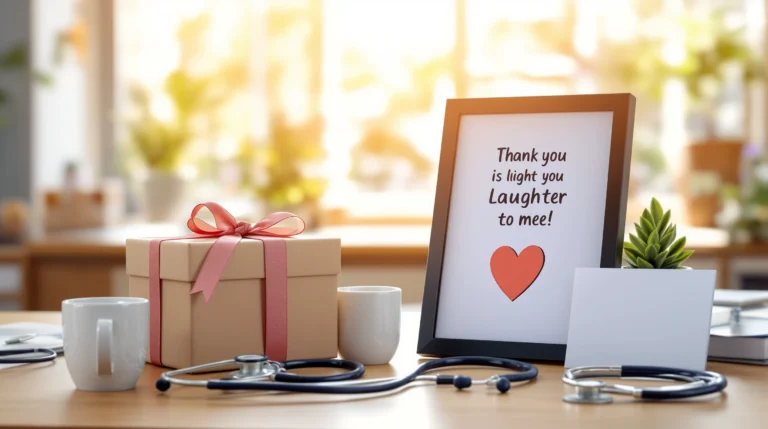
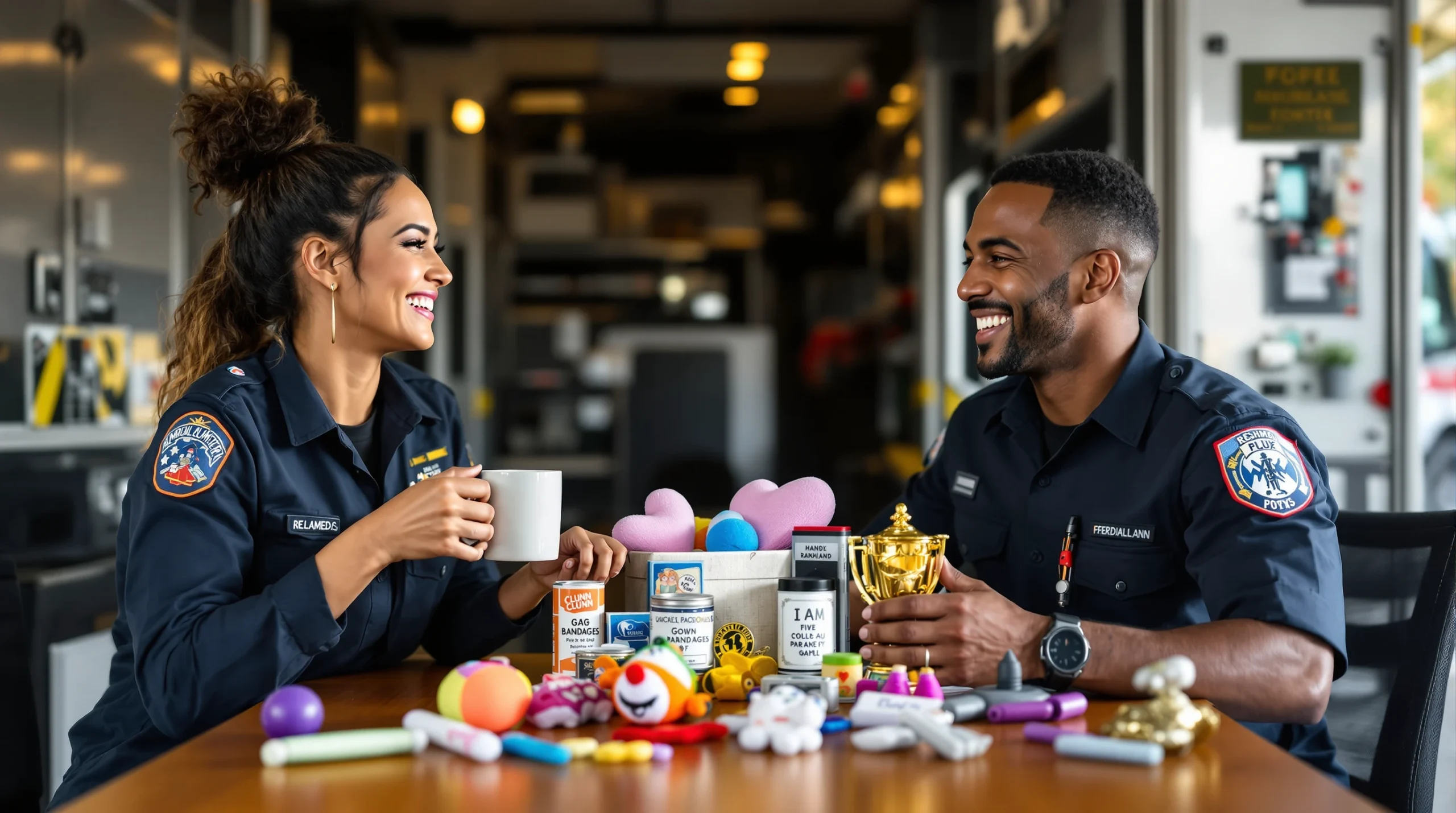
Selecting the right comedic presents involves balancing genuine usefulness with appropriate workplace humor. The most effective funny gifts for paramedics fall into several distinct categories, ranging from daily-use accessories to comprehensive educational resources. Apparel and uniform accessories, such as embroidered patches with clever EMS inside jokes or moisture-wicking socks featuring medical puns, allow responders to express their professional identity while finding moments of levity during gear checks. Drinkware is another staple, with insulated tumblers and coffee mugs displaying witty slogans about caffeine dependence and chaotic shift schedules serving as constant companions during long nights at the station.
Beyond physical trinkets, literature and digital media offer profound benefits. Books that examine the science of humor in healthcare provide both entertainment and actionable coping strategies. For instance, resources that detail how laughter reduces cortisol and triggers endorphins give responders a deeper appreciation for their own coping mechanisms. Digital wellness platforms and audiobooks narrated by comedy professionals allow EMS workers to consume therapeutic humor during commutes or downtime without straining their eyes after a grueling 24-hour shift. When choosing these items, it is important to consider the recipient’s specific role and the culture of their firehouse or ambulance crew. A gift that resonates with a seasoned flight paramedic differs from one suited for a rookie EMT.
Ultimately, the best items are those that validate the shared experiences of the job, supporting a sense of belonging and mutual understanding among colleagues who handle life-and-death situations daily. Station decor, such as humorous breakroom signs or custom whiteboard markers, also contributes to a lighter atmosphere during downtime between calls. These environmental tweaks change sterile rest areas into spaces of psychological safety where crews decompress together. Also, experiential gifts like tickets to a local comedy club or subscriptions to premium streaming services offer dedicated time for laughter, separating the individual from the clinical environment entirely. This separation is necessary for cognitive recovery, allowing the brain to shift focus from hyper-vigilance to genuine amusement.
How Does Laughter Therapy Benefit Emergency Responders?
The physiological and psychological benefits of clinical humor interventions are backed by rigorous academic research, converting laughter from a mere social pleasantry into a legitimate medical intervention. When emergency responders engage with comedic content, the brain releases a cascade of neurochemicals, including dopamine and endorphins, which naturally improve mood and diminish the perception of physical and emotional pain. A pooled meta-analysis of emergency healthcare professionals reported that 10.7 percent had severe burnout, while 74.6 percent of emergency healthcare staff experienced moderate-to-severe stress (Healthcare, 2025) [3] . These numbers illustrate the urgent need for accessible, non-pharmacological stress management tools.
Laughter therapy directly counters these statistics by interrupting the stress hormone cycle. Studies conducted at institutions like the USC Norris Cancer Center have shown that structured humor interventions yield up to 91 percent pain relief in clinical settings, while research at Chapman University showed a 13 percent reduction in provider stress in just three minutes. For paramedics, who frequently endure musculoskeletal strain from lifting patients and emotional strain from traumatic calls, these rapid-acting physiological shifts are invaluable. Integrating evidence-based comedic resources into daily routines helps first responders process secondary trauma and prevents the accumulation of toxic stress that leads to compassion fatigue.
Unlike pharmacological interventions, which carry side effects or impair cognitive readiness, humor is a zero-side-effect modality deployed instantly in the back of an ambulance or the station kitchen. By gifting resources that teach the mechanics of laughter therapy, friends and family members enable EMS workers to take proactive control of their mental health, using humor as a shield against the psychological hazards of their profession. Also, genuine laughter has been shown to boost the production of natural killer cells and antibodies, fortifying the immune system against the myriad pathogens encountered in the field. Improved immune function, combined with the relaxation response triggered by a good laugh, also promotes better sleep quality-a key factor for shift workers battling chronic circadian disruption.
How to Choose Appropriate Humor for the Workplace?
Understanding the nuances of emergency medical humor requires a thoughtful approach to ensure that comedic gifts uplift rather than alienate. The culture of EMS relies heavily on dark humor as a defense mechanism against the grim realities of the job. However, when selecting funny gifts for paramedics, it is important to distinguish between insider coping mechanisms and humor that is perceived as insensitive or unprofessional, especially in mixed company or public-facing environments. The most appropriate gifts focus on the shared absurdities of the profession-such as the infamous ‘quiet shift’ jinx, the universal struggle with malfunctioning equipment, or the chaotic dynamics of hospital handoffs-rather than making light of patient suffering or specific traumatic events.
Items that celebrate the resilience, quick wit, and unique lifestyle of first responders are universally appreciated across different ranks and experience levels. It is also important to consider the recipient’s personal boundaries and the specific culture of their agency. A close-knit rural volunteer squad has a different comedic threshold than a large, bureaucratic municipal fire department. When in doubt, leaning toward self-deprecating humor or clever wordplay related to medical terminology is a safe and effective strategy. Also, pairing a humorous item with a sincere acknowledgment of their hard work adds a layer of emotional depth that raises the gift from a simple joke to a meaningful token of appreciation.
By prioritizing inclusive, empathetic comedy, gift-givers provide genuine psychological support, reinforcing the important message that the responder’s wellbeing is valued both on and off the clock. Avoid gifts that rely on outdated stereotypes or offensive tropes, as these inadvertently contribute to a hostile work environment rather than alleviating stress. Instead, seek out creators and brands that specialize in first-responder culture, ensuring the comedic timing and references are authentic and respectful. This attention to detail shows a deep understanding of the paramedic’s daily reality, making the humorous gesture far more impactful and memorable for the recipient and their entire crew.
What People Are Asking
What are the most popular funny gifts for paramedics?
The most popular funny gifts for paramedics include humorous apparel, witty coffee tumblers, and comedic literature that addresses the unique stresses of emergency medical services. These items resonate because they validate the shared experiences of shift work, difficult calls, and station life, providing a quick psychological reset during demanding days. Many responders also appreciate practical joke items that build team cohesion in the breakroom, as well as digital audiobooks that allow them to consume therapeutic humor during their commute. Ultimately, gifts that acknowledge the specific inside jokes of the EMS profession are the most cherished and frequently used.
Is dark humor appropriate when buying gifts for EMS workers?
Dark humor is a common coping mechanism in EMS, but it requires caution in gifts to avoid crossing professional or personal boundaries. It is safer to choose presents that focus on the shared absurdities of the job, such as equipment failures or shift-work struggles, rather than making light of patient outcomes or trauma. While paramedics frequently use dark humor to process secondary trauma among themselves, a gift from an outside friend or family member should lean toward supportive, inclusive comedy. This ensures the gesture is received as a thoughtful acknowledgment of their hard work rather than an insensitive trivialization of their daily challenges.
How does laughter actually reduce stress for first responders?
Laughter reduces stress for first responders by triggering the release of endorphins and dopamine while simultaneously lowering cortisol levels in the bloodstream. This neurochemical shift activates the parasympathetic nervous system, reducing heart rate, easing muscle tension, and providing a rapid, natural reset for the brain after high-adrenaline emergency calls. By interrupting the chronic stress cycle, laughter helps prevent the accumulation of toxic stress that leads to burnout and compassion fatigue. Also, the physical act of laughing increases oxygen intake and stimulates the heart and lungs, providing a mild cardiovascular workout that leaves the individual feeling relaxed and mentally refreshed.
Can humor-based gifts help prevent burnout in paramedics?
Humor-based gifts help prevent burnout in paramedics by providing accessible, non-pharmacological tools for emotional regulation and psychological decompression after difficult shifts. While a single gift cannot cure systemic occupational stress, regular engagement with comedic resources builds resilience, improves team camaraderie, and interrupts the chronic stress cycles that lead to severe emotional exhaustion. When an agency or family member provides these resources, it also signals a culture of support and validation, which is a key protective factor against turnover. Combining humorous gifts with practical self-care items creates a comprehensive wellness package that addresses both the mental and physical demands of the job.
Comparing Humorous Gift Categories
Choosing the right type of comedic present depends on the recipient’s lifestyle, shift schedule, and personal preferences. Different categories of humor-based gifts offer unique benefits, ranging from immediate mood boosts to long-term psychological resilience. The table below compares the primary categories of funny EMS gifts to help you make an informed decision.
| Gift Category | Best For | Key Benefits | Examples |
|---|---|---|---|
| Apparel & Accessories | Daily wear and station life | Builds professional identity and camaraderie | Embroidered patches, graphic t-shirts, novelty socks |
| Drinkware | Caffeine-dependent shift workers | Provides daily utility and frequent moments of levity | Insulated tumblers, witty coffee mugs, water bottles |
| Literature & Media | Commutes and deep psychological decompression | Offers evidence-based coping strategies and immersive distraction | Comedic audiobooks, healthcare humor books, streaming subscriptions |
| Station Decor | Breakrooms and shared crew spaces | Changes sterile environments into spaces of psychological safety | Humorous signs, custom whiteboards, inside-joke posters |
While apparel and drinkware are excellent for quick smiles and daily utility, literature and media provide the most profound long-term benefits for mental health and stress management.
How LaughMD Supports EMS Wellbeing
At LaughMD, we believe that humor is a legitimate, data-backed medical intervention capable of improving the wellbeing of healthcare providers and first responders. Founded by Prof. Frank Chindamo, CHP-a former Saturday Night Live writer turned Certified Humor Professional-our organization translates rigorous clinical research into accessible, engaging resources. Our flagship digital eBook, “If Laughter is the Best Medicine, Let’s Use It as Medicine: The New Science of Humor in Healthcare,” provides a comprehensive guide to implementing clinical humor interventions in high-stress environments. You can browse our full range of formats, including upcoming audiobooks and print editions, by visiting the LaughMD Shop .
Our framework is validated by extensive research, including studies showing a 13 percent reduction in provider stress in just three minutes at Chapman University, and a 60 percent reduction in chronic pain at AT Still University. For paramedics facing severe burnout rates, these evidence-based strategies offer an important lifeline. As Gina Ramsey, LICSW, from the Minneapolis VA Healthcare System notes, “Prof. Chindamo’s work provides a comprehensive and funny exploration of why humor belongs in the healing process. It’s a valuable resource for practitioners and patients alike.” To learn more about our multidisciplinary team and the science behind our methodology, visit About LaughMD . We are dedicated to making the benefits of laughter accessible to those who serve on the front lines of emergency medicine.
Practical Gifting Tips for First Responders
When selecting and presenting humorous gifts for emergency medical personnel, timing and context are just as important as the item itself. According to the Mayo Clinic , incorporating humor into a broader stress-management strategy yields the best results for long-term mental health. To maximize the impact of your gift, consider the following practical tips tailored to the unique lifestyle of EMS workers.
First, avoid giving gifts immediately following a critical incident or a particularly traumatic shift. While humor is a powerful coping mechanism, individuals need time to process acute stress before they are ready to engage with comedic content. Instead, present your gift during a period of downtime, a birthday, or a holiday when the recipient has the cognitive bandwidth to appreciate the levity. Second, consider pairing a humorous item with a practical self-care tool. For example, bundle a witty coffee mug with a high-quality bag of artisanal coffee or a subscription to a premium roast delivery service. This combination acknowledges their need for caffeine while providing a moment of genuine amusement.
Third, if you are gifting literature or digital media, ensure the format aligns with their daily routine. Paramedics suffer from eye strain and fatigue after long shifts spent charting on digital screens; therefore, an audiobook or a digital wellness app is more accessible than a physical textbook they listen to while driving home. Finally, include a handwritten note that explicitly acknowledges the difficulty of their work and your appreciation for their resilience. Validating their experience changes a simple joke gift into a profound gesture of support, reinforcing the important connection between social support and occupational longevity in emergency services.
Wrapping Up
Selecting the right funny gifts for paramedics is a meaningful way to support the mental health and resilience of those who dedicate their lives to emergency care. By choosing items that use the science of clinical humor interventions, you provide first responders with natural, side-effect-free tools to combat burnout, process trauma, and maintain camaraderie in high-stress environments. Whether you opt for witty station decor, comedic literature, or digital wellness resources, your thoughtful gesture makes a measurable difference in their daily lives. To browse evidence-based humor resources and find the perfect gift for the EMS professionals in your life, please Contact LaughMD or visit our shop today to learn more about our clinical frameworks.
Learn More
- Mental Health and Occupational Stress in the Emergency Medical Service and 911 Workforce: A Systematic Review. Agency for Healthcare Research and Quality.
https://effectivehealthcare.ahrq.gov/sites/default/files/related_files/ems-911-workforce-mental-health-protocol.pdf - Biopsychosocial and Occupational Health of Emergency Healthcare Professionals: A Systematic Review and Meta-Analysis. Healthcare (MDPI).
https://www.mdpi.com/2039-4403/15/12/430 - Burnout Among US Health Care Workers. JAMA Network / National Institutes of Health (PMC).
https://pmc.ncbi.nlm.nih.gov/articles/PMC12013355/ - Mental Health and Occupational Stress in the Emergency Medical Service and 911 Workforce. National Academies of Sciences, Engineering, and Medicine.
https://www.ncbi.nlm.nih.gov/books/NBK614350/ - A qualitative exploration of the views of paramedics regarding dark humour as a coping strategy. National Institutes of Health / National Library of Medicine (PMC).
https://pmc.ncbi.nlm.nih.gov/articles/PMC11610543/