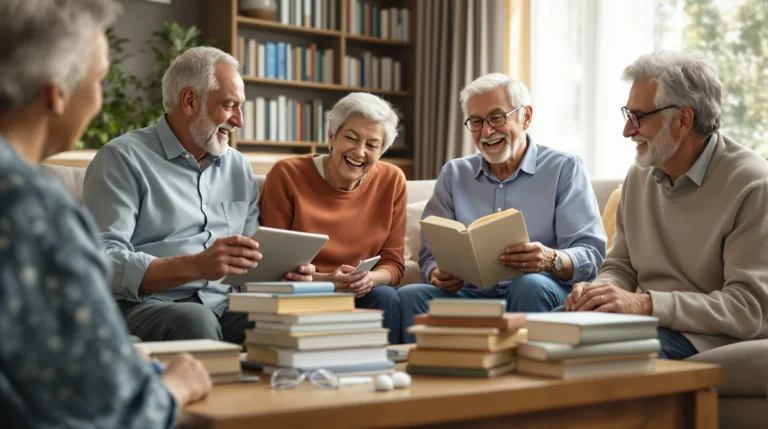
Humor Therapy for Seniors: What the Science Says
Humor therapy for seniors is a clinically studied, non-pharmacological intervention that reduces depression, loneliness, and chronic pain – discover what the research proves and how to apply it in care settings.
Table of Contents
- What Is Humor Therapy for Seniors?
- Mental Health Benefits of Laughter-Based Interventions
- Physical Effects of Humor Therapy on the Aging Body
- Implementing Humor Therapy in Clinical and Home Settings
- Frequently Asked Questions
- Comparing Humor Therapy Approaches
- How LaughMD Supports Humor Therapy for Seniors
- Practical Tips for Getting Started
- The Bottom Line
- Sources & Citations
Article Snapshot
Humor therapy for seniors is a structured, evidence-based intervention using comedy and laughter to reduce pain, depression, and loneliness in older adults. A 2024 meta-analysis of 984 participants confirmed significant improvements in quality of life, mood, and social connection – with no adverse side effects reported.
Quick Stats: humor therapy for seniors
- A 2024 meta-analysis covering 984 participants across 14 studies found humor therapy reduced depression in older adults with a standardized mean difference of 0.66 (ScienceDirect, 2024)[1]
- Humor therapy reduced loneliness with a standardized mean difference of 1.52 – one of the largest effect sizes observed in the analysis (ScienceDirect, 2024)[1]
- A single laughter session reduces cortisol levels by 37% (UCLA Health, 2024)[2]
- Genuine voiced laughter increases heart rate and calorie-burning energy expenditure 10-20% above resting values (American Medical Association, 2024)[3]
What Is Humor Therapy for Seniors?
Humor therapy for seniors is a deliberate, structured use of comedy, laughter, and playful interaction to produce measurable improvements in physical and psychological health among older adults. Unlike passive entertainment, clinical humor interventions are designed with specific therapeutic goals – reducing pain perception, easing depression, countering social isolation, and improving overall quality of life. LaughMD, founded by Prof. Frank Chindamo, CHP, has been at the forefront of translating this research into practical frameworks that clinicians and caregivers can apply directly.
The intervention involves facilitated laughter exercises, curated comedy content, or group humor activities delivered in care facilities, outpatient settings, or home environments. Sessions are brief – research from Chapman University indicates that as little as three minutes of structured humor activity produces a measurable 13% reduction in provider stress – suggesting similarly short exposures benefit patients as well.
Older adults face a distinct constellation of health challenges: chronic pain, social isolation, cognitive decline, and reduced mobility. These conditions interact and amplify one another. Humor therapy addresses several of these simultaneously, making it an unusually efficient non-pharmacological tool. A 2024 meta-analysis published in the Journal of Affective Disorders drew on 14 randomized controlled and quasi-experimental studies involving 984 older adults and found consistent improvements across depression, loneliness, and quality-of-life scores (ScienceDirect, 2024)[1].
The mechanisms behind these outcomes are well documented. Laughter triggers the release of endorphins – the body’s natural painkillers – and suppresses cortisol, the primary stress hormone. It activates the cardiovascular system, engages the diaphragm, and stimulates immune function. These are not theoretical claims; they are the subject of peer-reviewed research across more than 400 published studies reviewed in the LaughMD framework. For a deeper look at the research foundation, the About LaughMD – Prof. Frank Chindamo’s background, the LaughMD framework, and the clinical research foundation page outlines the academic credentials behind this work.
One use case that illustrates the real-world application: oncology nurses at US cancer centers who have introduced LaughMD-aligned humor interventions during chemotherapy sessions have reported improved patient-reported pain scores and reduced emotional exhaustion among staff. The dual benefit – for both patients and providers – distinguishes humor therapy from most other adjunctive interventions in geriatric and oncology care.
Mental Health Benefits of Laughter-Based Interventions
Laughter-based interventions produce statistically significant reductions in depression and loneliness among older adults, two of the most prevalent and undertreated conditions in geriatric populations. The 2024 meta-analysis that pooled data from 984 participants found a standardized mean difference of 0.66 for depression reduction – a clinically meaningful effect comparable to some pharmacological treatments without any of the associated side effects (ScienceDirect, 2024)[1]. The loneliness effect was even more striking, with a standardized mean difference of 1.52, indicating a large and strong impact on one of the most serious public health concerns among the elderly.
These outcomes make intuitive sense when you consider the social dimension of laughter. Humor is inherently relational. It creates shared experience, signals safety, and reinforces group belonging – all of which are precisely what isolated older adults lack. Dr. Robert S. Abenante, a social worker specializing in older adults and their families, put it plainly: “The takeaway from most of the studies, however, is that the social benefit of laughter is among its most effective health benefits.” – Dr. Robert S. Abenante (American Medical Association, 2024)[3].
Humor therapy also shows promise for cognitive function, though the evidence base is smaller. The same 2024 meta-analysis examined cognitive outcomes alongside mood and quality-of-life measures, suggesting that regular laughter engagement helps maintain cognitive engagement and delay decline in specific populations. This aligns with the broader neuroscience of positive affect, which links sustained positive emotional states with neuroplasticity and memory consolidation.
Humor Therapy and Quality of Life in Older Adults
Quality of life is a composite outcome influenced by physical health, emotional wellbeing, social engagement, and a sense of purpose. Humor therapy acts on all four dimensions simultaneously. The 2024 meta-analysis found a standardized mean difference of 0.42 for quality of life improvement – modest but consistent across diverse populations and settings (ScienceDirect, 2024)[1]. Participants living in long-term care facilities, community settings, and hospital wards all showed improvements, suggesting that the benefits are not context-dependent.
For patients navigating serious illness, a sense of agency and the ability to experience genuine joy produces real change. UCLA Health notes five evidence-backed benefits of laughter for older adults, including improved immune response, reduced pain, and stronger social bonds – each of which feeds directly into overall quality of life. When humor therapy is integrated into care plans rather than left to chance, these benefits become reproducible and measurable.
The emotional safety that structured humor creates is worth noting. Group laughter exercises, comedy viewing, or facilitated reminiscence humor (sharing funny memories) give older adults permission to feel light and playful in environments that otherwise feel clinical and heavy. This psychological shift is not trivial – it is precisely the kind of positive emotional activation that breaks the cycle of chronic stress and social withdrawal that accelerates aging.
Physical Effects of Humor Therapy on the Aging Body
Humor therapy produces direct, measurable physiological changes in older adults that go well beyond mood – including reduced cortisol, improved cardiovascular function, and meaningful pain relief. A single laughter session reduces cortisol levels by as much as 37% (UCLA Health, 2024)[2], which is significant given that chronically elevated cortisol in older adults is associated with impaired immune function, increased cardiovascular risk, disrupted sleep, and accelerated cognitive decline.
Cardiovascular benefits are also documented. Genuine voiced laughter increases heart rate and calorie-burning energy expenditure 10-20% above resting values (American Medical Association, 2024)[3]. For sedentary older adults or those with limited mobility, this represents a meaningful form of low-impact physical activation. Dr. Matthew J. Witt described the mechanism clearly: “A hearty laugh may decrease blood pressure, help regulate heart rhythm and just provide an element of joy, that elusive factor in well-being.” – Dr. Matthew J. Witt (Mayo Clinic Press, 2024)[4].
Large-scale observational data reinforces these findings. A cohort study of 14,000 older adults found that those who laughed less frequently were significantly more likely to develop functional disabilities (Mayo Clinic Press, 2024)[4]. While correlation does not establish causation, the consistency of this finding with the controlled trial data on cortisol, endorphins, and immune function provides a compelling convergent evidence base for laughter as a protective health behavior in aging populations.
Humor Therapy for Chronic Pain in Seniors
Chronic pain is one of the most disabling and treatment-resistant conditions in older adults, and humor therapy has shown specific efficacy in this area. A controlled study examining humor therapy interventions for older adults with chronic pain found that the intervention produced substantial improvements in pain scores, happiness, and life satisfaction, while also reducing loneliness (PMC, 2010)[5]. The study authors concluded: “The use of humor therapy appears to be an effective nonpharmacological intervention in chronic pain management, enhancing happiness and life satisfaction and reducing loneliness for older people.” – Study authors (PMC, 2010)[5].
The clinical relevance of this finding is amplified by the current opioid crisis and the push toward safe deprescribing in US healthcare systems. States including Michigan have launched Governor-level challenges to reduce opioid prescribing, and programs affiliated with Stanford have integrated non-pharmacological approaches into chronic pain protocols. Humor therapy fits naturally into this context – it is free of side effects, low in cost, and requires no prescription. At USC Norris Cancer Center, 91% of patients who participated in LaughMD-aligned humor interventions reported measurable pain relief, offering a clinical proof-of-concept that translates directly to geriatric and palliative care settings.
The endorphin release triggered by genuine laughter activates the same neural pathways that opioid medications target, which explains why the pain relief is real and not merely psychological distraction. For clinicians looking for evidence-based complements to analgesics, humor therapy represents one of the most accessible and low-risk options available. You can explore the LaughMD Blog – articles and updates on humor research, clinical applications, and events for ongoing updates on clinical applications across pain management settings.
The Mayo Clinic’s guidance on stress relief through laughter reinforces this direction, noting that laughter stimulates organ function, relieves physical tension, and improves immune response – all mechanisms directly relevant to chronic pain management in older adults.
Implementing Humor Therapy in Clinical and Home Settings
Implementing humor therapy effectively requires deliberate structure rather than simply hoping patients will encounter something funny during their care – the difference between incidental laughter and therapeutic laughter is design. Clinical implementation begins with identifying the format best suited to the patient population and care environment: facilitated group sessions, individually curated comedy content, humor-based reminiscence exercises, or brief structured laughter breaks for both patients and providers.
The LaughMD framework addresses this gap directly. Rather than leaving humor to chance, it provides clinicians with a structured approach grounded in the same evidence base that produced the 91% pain relief outcomes at USC Norris Cancer Center and the 60% chronic pain reduction at AT Still University. These are not anecdotal outcomes – they are reproducible results from named US university studies, which gives clinicians and hospital administrators the institutional confidence to introduce humor interventions into formal care protocols.
For individual patients and caregivers, the LaughMD ebook – If Laughter is the Best Medicine, Let’s Use It as Medicine – offers a practical “how-to” section (Part Four) that outlines step-by-step guidance for incorporating humor into daily routines, medical appointments, and recovery periods. This section is designed to be immediately actionable: no clinical training required, no equipment needed, and no risk of adverse effects.
Group vs. Individual Humor Therapy Delivery
Group humor therapy sessions offer the added benefit of social activation. When older adults laugh together, the social bonding effect compounds the physiological benefits of laughter itself – this is why the effect size for loneliness reduction (standardized mean difference of 1.52) was the largest observed in the 2024 meta-analysis. Facilitators can use comedy film clips, stand-up performances, improv games, or guided reminiscence humor, adapting content to the cultural backgrounds and preferences of participants.
Individual delivery is better suited to patients with limited mobility, those in palliative care, or those receiving home-based care. Caregivers can use curated comedy playlists, audio comedy content, or the LaughMD digital platform – LaughMD – the related digital wellness platform and app using the LaughMD framework to deliver personalized comedy for patient health – to tailor content to individual preferences. The personalized nature of digital delivery addresses a common challenge in humor therapy: what is genuinely funny varies significantly between individuals, and mismatched content reduces effectiveness or causes discomfort.
Provider training is an often-overlooked component of clinical implementation. Healthcare workers who are comfortable using humor therapeutically – not to deflect serious topics but to introduce moments of levity that reduce anxiety and build rapport – create environments more conducive to patient wellbeing. The Chapman University study demonstrating a 13% reduction in provider stress in three minutes of structured humor activity highlights that the intervention benefits the entire care team, not just the patient.
Your Most Common Questions
Is humor therapy for seniors backed by peer-reviewed research?
Yes – humor therapy for seniors is supported by a substantial and growing body of peer-reviewed clinical research. A 2024 meta-analysis published in a peer-reviewed journal pooled data from 14 randomized controlled and quasi-experimental studies involving 984 older adult participants and found statistically significant improvements in depression, loneliness, and quality of life (ScienceDirect, 2024)[1]. Earlier controlled studies – including a 2010 chronic pain study published in PMC – found that humor therapy reduced pain and loneliness while improving happiness and life satisfaction among older adults (PMC, 2010)[5]. The LaughMD framework draws on over 400 peer-reviewed studies and cites clinical outcomes from USC Norris Cancer Center (91% pain relief), Chapman University (13% provider stress reduction), and AT Still University (60% chronic pain reduction). These are not anecdotal claims – they are institution-specific, documented outcomes that provide the kind of evidence base clinicians need to justify integrating humor into formal care protocols.
What types of humor therapy work best for older adults with chronic pain?
For older adults with chronic pain, the most effective humor therapy approaches are those that reliably trigger genuine laughter rather than polite smiling. Curated comedy viewing (stand-up, sitcoms, or short comedy clips) has shown consistent results in controlled trials. Group laughter exercises – where participants laugh together in a structured setting, even without a specific comedic stimulus – also activate the endorphin and cortisol-suppression pathways associated with pain relief. The key physiological mechanism is the release of endorphins, which target the same neural pathways as opioid medications. Personalization matters significantly: comedy content that aligns with an individual’s cultural background, humor preferences, and cognitive status produces stronger laughter responses and therefore greater physiological benefit. The LaughMD digital platform addresses this directly by curating comedy tailored to individual patient preferences, making personalized delivery scalable in both home care and clinical settings. Individual audiobook or comedy audio formats are practical for patients with limited mobility or vision impairment.
Can humor therapy replace medications for pain or depression in seniors?
Humor therapy is best understood as a powerful complement to conventional medical treatment, not a replacement. The evidence supports its use as a non-pharmacological adjunct – particularly in pain management, where it meaningfully reduces the required dose of analgesics, supports safe deprescribing initiatives, and improves outcomes in patients for whom medications have limited effectiveness or unacceptable side effects. For depression, the effect sizes documented in the 2024 meta-analysis are clinically meaningful, but humor therapy is unlikely to be sufficient as a standalone intervention for clinical depression. Where it adds the most value is in the context of mild-to-moderate mood disturbance, social isolation, and the psychological burden of chronic illness – all of which are highly prevalent among older adults. Healthcare providers considering humor therapy as part of a care plan should treat it as they would any evidence-based complementary intervention: integrated into a comprehensive plan, monitored for outcomes, and adjusted based on individual patient response. The LaughMD framework is explicitly positioned as a side-effect-free complement to, not a substitute for, conventional medicine.
How can caregivers introduce humor therapy at home for elderly family members?
Caregivers can introduce humor therapy at home without any clinical training or specialized equipment. The most practical starting point is identifying comedy content that genuinely makes the older adult laugh – whether that is a favorite sitcom from their era, stand-up comedy by a familiar performer, or funny family stories shared during visits. Consistency matters more than intensity: brief daily exposures to comedy content (even 10-15 minutes) are more effective than occasional longer sessions, because regular laughter helps regulate cortisol and maintain the mood and immune benefits over time. Structured humor breaks before stressful events – such as medical appointments – reduce anticipatory anxiety. The LaughMD ebook and audiobook editions of If Laughter is the Best Medicine, Let’s Use It as Medicine include a dedicated practical section (Part Four) with step-by-step guidance for patients and caregivers implementing humor therapy at home. The audiobook format is particularly convenient for caregivers who want to learn while commuting or completing household tasks. Contact LaughMD at [email protected] or through the Contact LaughMD – for bulk orders, institutional licensing, media inquiries, and general questions page to discuss formats suited to your situation.
Comparing Humor Therapy Approaches for Older Adults
Selecting the right delivery format for humor therapy depends on the clinical setting, patient characteristics, and available resources. The table below compares four common approaches across key dimensions relevant to geriatric and home care contexts, drawing on outcomes documented in peer-reviewed research.
| Approach | Setting | Social Benefit | Pain Relief Evidence | Ease of Implementation |
|---|---|---|---|---|
| Facilitated Group Laughter Sessions | Care facilities, hospitals | High – largest effect on loneliness (SMD 1.52)[1] | Moderate – endorphin activation through social laughter | Moderate – requires trained facilitator |
| Curated Comedy Content Viewing | Home, outpatient, hospital | Moderate – can be group or individual | High – documented 91% pain relief in cancer center setting | High – accessible via smartphone or tablet |
| Personalized Digital Platform Delivery | Home, mobile care | Low-to-moderate – primarily individual | High – personalized content maximizes genuine laughter response | Very high – automated and scalable |
| Humor-Based Reminiscence Therapy | Memory care, long-term care | High – shared memories activate social bonding | Moderate – depends on depth of engagement | Moderate – works best with facilitated group format |
How LaughMD Supports Humor Therapy for Seniors
LaughMD translates more than 400 peer-reviewed studies on the health benefits of laughter into practical, accessible resources that clinicians, patients, and caregivers can use immediately. Founded by Prof. Frank Chindamo, CHP – a former Saturday Night Live writer, USC/UCLA/Chapman professor, and Certified Humor Professional – LaughMD occupies a genuinely unique position: the intersection of comedy expertise and clinical science, validated by outcomes from named US university studies.
The centerpiece of LaughMD’s offering is the book If Laughter is the Best Medicine, Let’s Use It as Medicine: The New Science of Humor in Healthcare, available now in digital ebook format and coming soon in audiobook and print editions. The ebook includes over 100 embedded YouTube links, APA-cited research chapters for clinical readers, and a complete practical prescription section for patients, caregivers, and providers. You can browse and purchase all available formats through the LaughMD Shop – purchase the ebook, audiobook, deluxe audiobook, and print editions of “If Laughter is the Best Medicine.”
For older adults and their caregivers who want clinical context without medical jargon, the book balances genuine comedic writing with rigorous academic sourcing. Two readers who have engaged with LaughMD’s work capture the range of its appeal well:
“Prof. Chindamo’s work provides a comprehensive and funny exploration of why humor belongs in the healing process. It’s an important resource for practitioners and patients alike.” – Gina Ramsey, LICSW – Author, Writer, Speaker, Life Transformation Strategist at Minneapolis VA Healthcare System
“After 40 years in oncology, I’ve prescribed everything from chemo to immunotherapy… but laughter? That prescription makes me smile.” – Dr. Amitabha Mazumder, MD – Oncologist
The sister entity LaughMD (laughmd.com) extends the book’s framework into a digital wellness app that curates comedy tailored to individual patient preferences – making personalized humor therapy for seniors scalable in both home and clinical settings. For bulk orders, institutional licensing, or media inquiries, reach out via Contact LaughMD – for bulk orders, institutional licensing, media inquiries, and general questions. The peer-reviewed academic research on humor in healthcare that underpins the LaughMD approach continues to grow, reinforcing the case for structured humor interventions in geriatric care.
Practical Tips for Applying Humor Therapy with Older Adults
Start with genuine laughter triggers. The most important first step is identifying what actually makes the individual older adult laugh – not what you assume they will find funny. Ask about favorite comedians, TV shows from their younger years, or funny family stories. Comedy that feels authentic and personally resonant produces stronger physiological responses than generic humor content.
Keep sessions brief and consistent. Research supports short, regular exposures over infrequent long sessions. A 10-15 minute structured humor break daily is more likely to produce lasting cortisol reduction and mood improvement than a 90-minute comedy marathon once a week. Brief sessions are also easier to sustain within the routine of care facilities or home care schedules.
Involve the care team. Provider stress directly affects patient outcomes. Introducing a structured three-minute humor break at shift handovers – grounded in the Chapman University finding of a 13% provider stress reduction – benefits both staff and the patients in their care. When healthcare workers are less stressed, they are more present, more patient, and more effective.
Use audio formats for accessibility. Many older adults have vision impairment or limited screen time tolerance. Audiobooks and comedy podcasts are highly accessible, require no visual attention, and can be used during rest periods, meal times, or physical therapy sessions. The LaughMD audiobook – narrated by Prof. Frank Chindamo himself, a Certified Humor Professional – is designed with this flexibility in mind.
Document outcomes where possible. Humor therapy is most likely to be sustained in clinical settings when its benefits are tracked alongside standard care metrics. Simple tools – patient-reported pain scores before and after a session, mood ratings, or brief quality-of-life surveys – provide the data that administrators need to justify integrating humor therapy into formal care protocols. The evidence base from controlled trials gives you a strong starting point; local outcome data makes the case for your specific patient population.
Consider group formats for isolated patients. For older adults in long-term care or those with limited social contact, group humor sessions address loneliness and depression simultaneously. The 2024 meta-analysis found the largest effect size for loneliness reduction (SMD 1.52) among all outcomes measured – a finding that should inform care planning for patients whose primary challenge is social isolation rather than pain (ScienceDirect, 2024)[1].
The Bottom Line
Humor therapy for seniors is no longer a fringe idea – it is a clinically supported, non-pharmacological intervention with documented outcomes across pain management, depression, loneliness, and quality of life. The 2024 meta-analysis of 984 participants, the 91% pain relief outcomes from USC Norris Cancer Center, and the growing body of research on cortisol suppression and endorphin activation all point in the same direction: laughter works, and it works best when delivered with intention and structure.
Whether you are a clinician looking to complement existing pain management protocols, a caregiver supporting a family member with chronic illness, or a hospital administrator building a provider wellbeing program, the evidence now supports action. The tools are accessible, the risks are zero, and the outcomes are real. Explore the LaughMD ebook, browse the available formats in the LaughMD Shop – purchase the ebook, audiobook, deluxe audiobook, and print editions of “If Laughter is the Best Medicine.”, or contact us directly at [email protected] to discuss institutional licensing, bulk orders, or media inquiries. The prescription is simple – and it might just make you smile.
Sources & Citations
- Effects of humor therapy on negative emotions, quality of life and cognitive function in older adults: A meta-analysis. ScienceDirect, 2024.
https://www.sciencedirect.com/science/article/abs/pii/S0197457224003811 - Laugh it up: 5 benefits of laughter for older adults. UCLA Health, 2024.
https://www.uclahealth.org/news/article/laugh-it-up-5-benefits-laughter-older-adults - Why older adults benefit from regular doses of humor. American Medical Association, 2024.
https://www.ama-assn.org/public-health/population-health/why-older-adults-benefit-regular-doses-humor - The health benefits of humor. Mayo Clinic Press, 2024.
https://mcpress.mayoclinic.org/healthy-aging/the-health-benefits-of-humor/ - Humor Therapy: Relieving Chronic Pain and Enhancing Happiness and Life Satisfaction in Older Adults. PMC, 2010.
https://pmc.ncbi.nlm.nih.gov/articles/PMC2989702/